

What is Atrial Fibrillation (AFib)?


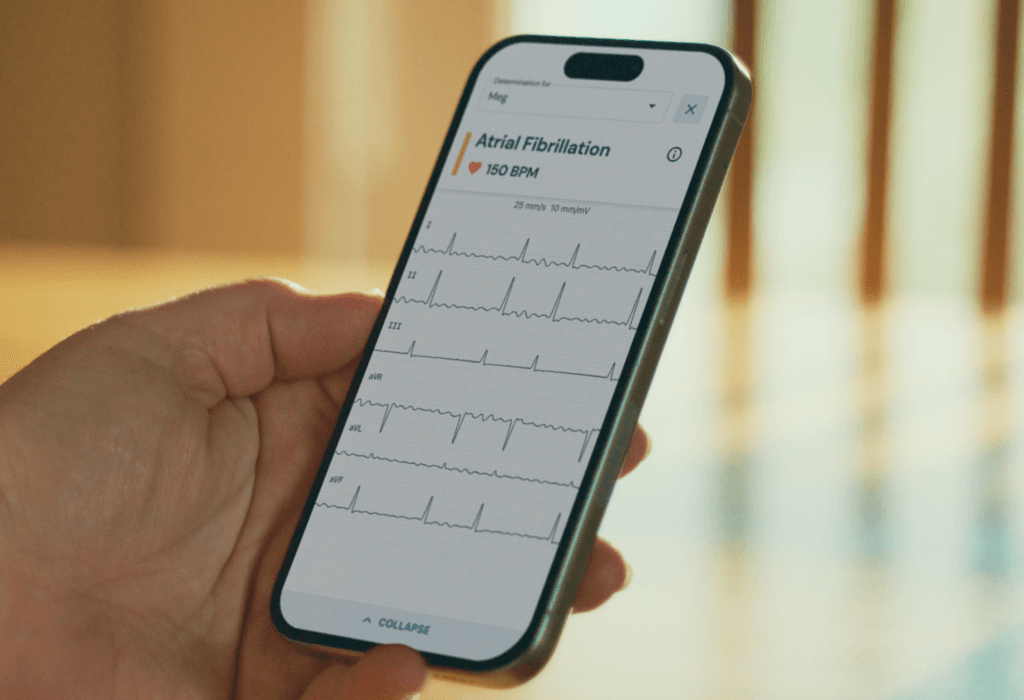
Atrial fibrillation (AFib) is an irregular heartbeat that occurs when the heart’s upper chambers (atria) beat out of coordination with the lower chambers (ventricles), which causes your heart to beat too fast, too slow, or irregularly.
AFib is the most common arrhythmia, affecting nearly 5 million people in the US.1 People with AFib are five times more likely to have a stroke.1 It’s clear this is a prevalent, important condition to understand—especially if you’ve already been diagnosed or suspect you may have AFib.
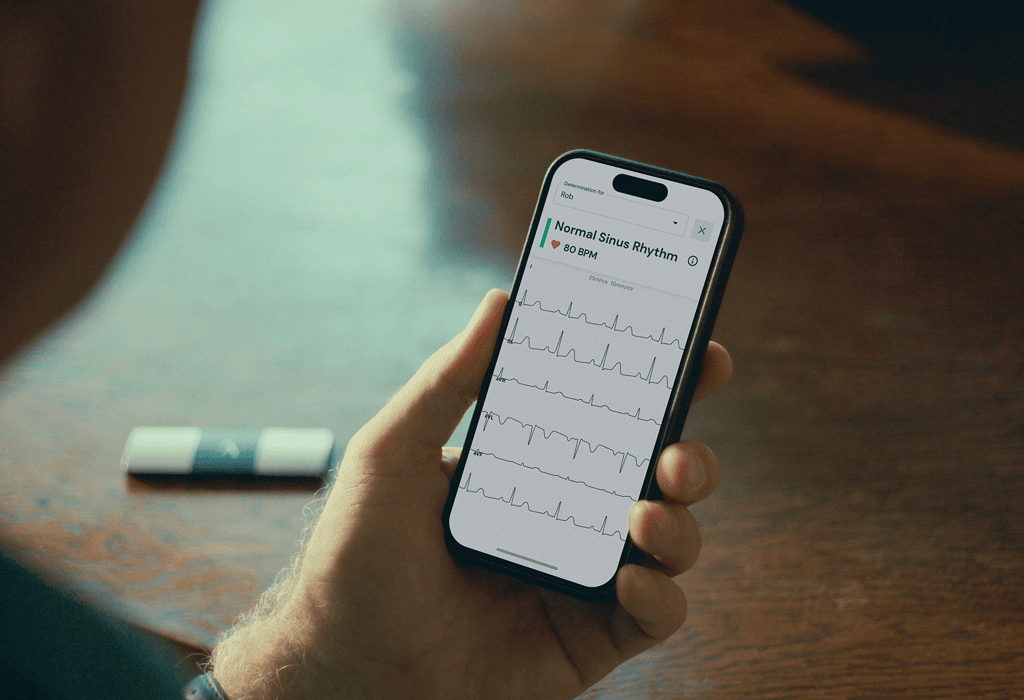
If you experience AFib, it may feel like your heart is fluttering, quivering, or skipping a beat. AFib can be detected on an electrocardiogram (EKG), which records the electrical activity of your heart.
What are the different types or stages of AFib?
Knowing what type of AFib you have can help you understand how your condition may progress, and what kind of care you may need. AFib is typically grouped into several stages based on how often episodes happen and how long they last.
Paroxysmal Atrial Fibrillation
Paroxysmal atrial fibrillation describes AFib episodes that start and stop on their own, usually within seven days.2 These episodes may feel unpredictable, but they’re an important early sign to pay attention to. Paroxysmal AFib isn’t permanent, though it can progress over time. That’s why consistent monitoring and early management matter.
Persistent AFib
Persistent AFib lasts longer than seven days and usually requires treatment to restore a normal rhythm.2 This stage often signals a more established rhythm problem, and your care plan may shift toward preventing progression and managing symptoms more proactively.
Long-Standing Persistent AFib
When AFib continues for more than 12 months, it’s considered long-standing persistent.2 At this point, returning to a normal rhythm becomes more challenging, and treatment often focuses on rate control, stroke prevention, and supporting overall heart health.
Permanent AFib
Permanent AFib means you and your care team have decided not to pursue rhythm-correcting treatments.2 The goal becomes long-term management, through medication, lifestyle changes, and consistent monitoring, to help reduce symptoms and maintain quality of life.
How do you know if you have AFib?
AFib can look and feel different for everyone, which is why recognizing the signs is so important. Some people experience noticeable symptoms, while others may not feel anything at all. Understanding both how AFib shows up and how it’s diagnosed can help you get the right care sooner.
Common Symptoms of AFib
Common symptoms of AFib3 may include:
- Heart palpitations
- Rapid and/or irregular heartbeat
- Fluttering, quivering, or thumping in your chest
- Shortness of breath
- Extreme fatigue
- Dizziness
- Lightheadedness
How is AFib diagnosed?
Catching AFib early requires the right tools at the right time. That may mean an in-clinic 12-lead EKG, a longer-term wearable monitor like a Holter, or an at-home EKG device like Kardia that you can use every day. Understanding how AFib is detected, and monitoring proactively, can help you stay ahead of potential complications and take charge of your heart health.
What puts you at risk for AFib?
Your risk of developing AFib can be affected by several different factors. Common AFib risk factors include:
- Hypertension: Over time, hypertension (high blood pressure) can cause the heart’s walls—particularly in the upper chambers (atria)—to become stiff or thickened and disrupt the heart’s normal electrical signaling. According to the CDC, hypertension accounts for roughly 1 in 5 cases of AFib.4
- Smoking: Nicotine and other stimulants found in tobacco can elevate your heart rate and blood pressure, both of which stress the heart.5 Importantly, studies suggest that longer exposure to smoking increases AFib risk, and quitting can reduce that risk over time.6
- Sedentary lifestyle: Lack of movement, along with other lifestyle factors, may raise the likelihood of developing AFib, hypertension, and other comorbidities that affect your heart.7 However, moderate regular exercise supports cardiovascular health, helps keep blood pressure and weight in check, and may reduce AFib risk over time.
- Underlying heart disease: Pre-existing heart conditions significantly increase AFib risk. That includes congestive heart failure, coronary artery disease (narrowed or blocked arteries), a history of heart attack, valve disease, and even congenital heart defects.8
- Age: As we age, changes in the heart’s structure and electrical system, as well as the accumulation of other risk factors like high blood pressure or heart disease, make AFib more likely. The likelihood of AFib increases sharply as people get older, especially beyond the age of 65.6
- Family history: AFib can run in families, suggesting a genetic predisposition in some cases. According to the Mayo Clinic, familial AFib does exist, and those with a close relative who has AFib are at higher risk themselves.9 In fact, global data show that having a family history of AFib is associated with roughly a 40% increase in risk for new-onset AFib, even after accounting for other factors.10
AFib Treatment and Management Options
Early detection and management of AFib is not only important for your heart health, but your overall health as well. Atrial fibrillation is commonly treated and managed in these ways:
Monitoring
Personal EKGs like Kardia can help with the early detection of AFib, which may prevent serious heart complications.
Medication
People with AFib may be prescribed medication to help control the heart’s rhythm and rate.11
Procedures
In some cases, an interventional procedure called an ablation may be performed to prevent further atrial fibrillation.11
Lifestyle Changes
A heart-healthy diet, frequent exercise, and reduced stress play important roles in the management of AFib.11
Talk to your doctor about AFib
AFib is a serious heart condition and a leading cause of stroke. But with early detection and proper management, it can be treated. When it comes to your heart health, your doctor is your best resource. Talk to them about any symptoms you may be experiencing and then learn more about how Kardia personal EKGs can help you stay on top of your heart health from home.
References
- 1. https://www.heart.org/en/health-topics/atrial-fibrillation/what-is-atrial-fibrillation-afib-or-af
- 2. https://my.clevelandclinic.org/health/diseases/16765-atrial-fibrillation-afib
- 3. https://www.heart.org/en/health-topics/atrial-fibrillation/what-are-the-symptoms-of-atrial-fibrillation-afib-or-af
- 4. https://www.cdc.gov/heart-disease/about/atrial-fibrillation.html
- 5. https://www.texasheart.org/heart-health/heart-information-center/topics/smoking-and-your-heart/
- 6. https://www.nhlbi.nih.gov/health/atrial-fibrillation/causes
- 7. https://www.ahajournals.org/doi/10.1161/hypertensionaha.118.11190
- 8. https://www.mayoclinic.org/diseases-conditions/atrial-fibrillation/symptoms-causes/syc-20350624
- 9. https://www.mayoclinic.org/diseases-conditions/atrial-fibrillation/expert-answers/atrial-fibrillation-genetics/faq-20111614
- 10. https://pmc.ncbi.nlm.nih.gov/articles/PMC9191232/
- 11. https://www.mayoclinic.org/diseases-conditions/atrial-fibrillation/diagnosis-treatment/drc-20350630
Kardia personal EKGs are not tested or recommended for use with pacemakers and ICDs. KardiaMobile personal EKGs do not check for heart attack and do not replace regular health checkups with your physician. Seek medical attention if you are experiencing any concerning symptoms or if you are having an emergency.